Poets Directory (شعرائے کرام)
Explore profiles, portraits, life biographies, and complete poetry of classical and modern Urdu luminaries.
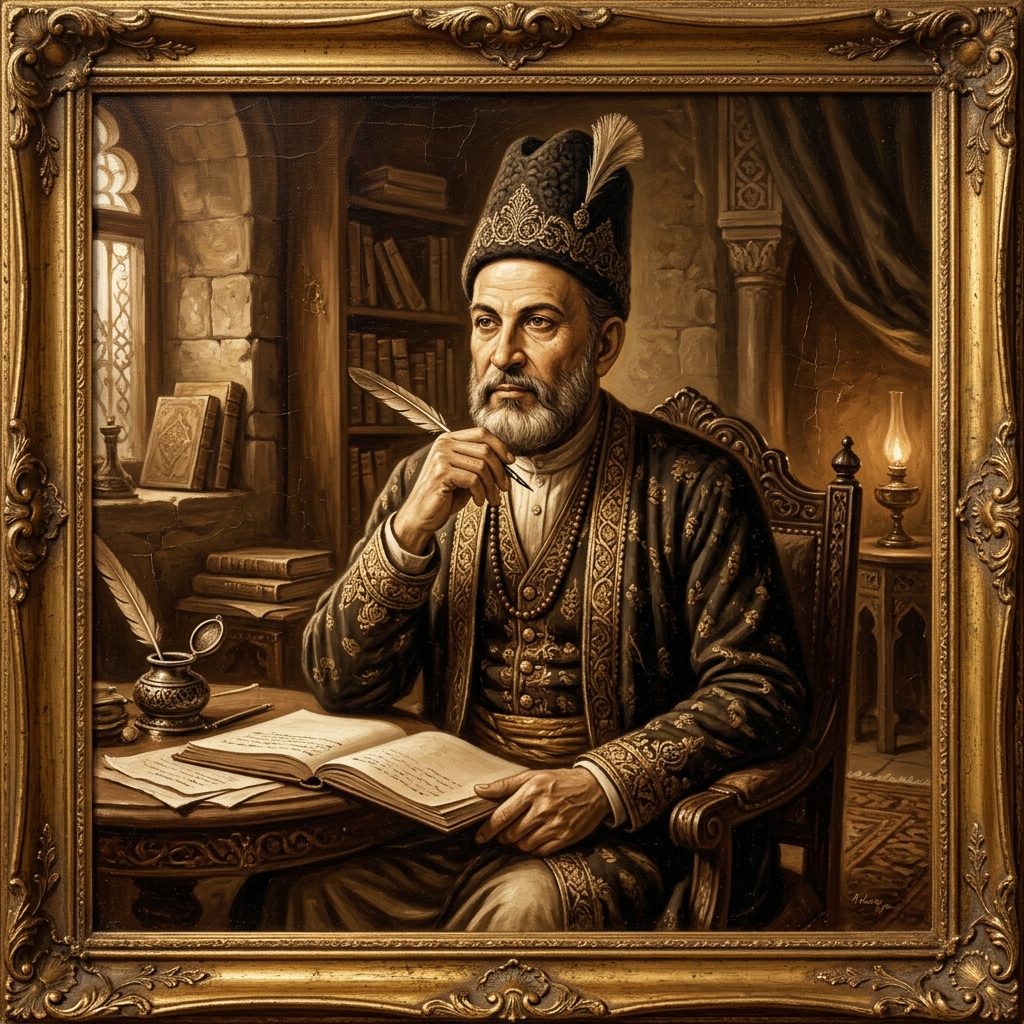
Wahid Akhtar
Syed Waheed Akhtar was an Indian Urdu poet, critic, orator and philosopher, and one of the leading Muslim scholars of the twentieth century. Born in Aurangabad to a family that had migrated from Nasirabad–Jais in Raebareli district, he spent his childhood in Aurangabad, studied at Osmania University, Hyderabad, where he completed his Ph.D., and was then appointed lecturer at Aligarh Muslim University, where he settled for the rest of his life and retired in 1995 as Professor of Philosophy. In his early years he used the takhallus Barq. His poetry collections include Shab Ka Razmiyah, Paththaron Ka Mughanni and Zanjeer Ka Naghma, and his Karbala Ta Karbala (1991) carried the marsia into a new age; he also wrote a major research study of Khwaja Mir Dard. Shamsur Rahman Faruqi described him as a modernist whom many also counted as a progressive, who argued that modernism was really an extension of progressivism. He died on 13 December 1996.
Wahshat Raza Ali Kalkatvi
Wahshat Raza Ali Kalkatvi (1881–1956) was a prominent later–classical Urdu poet from Bengal. Born on 18 November 1881 in Hooghly to Maulvi Shamshad Ali, who had moved there from Delhi, he was schooled at Madrasa Aaliya in Calcutta and became a poetry apprentice of Abul Qasim Mohammad Shams in 1898. After higher education he served as Chief Maulvi in the Persian department of the Imperial Record Department, Calcutta, and when Islamia College started in 1926 he became a professor of Urdu there. In 1931 the British Government honoured him with the title of Khan Bahadur. His collections include Diwan-e-Wahshat and Taraana-e-Vahshat (1950), and the progressive poet Parvez Shahdi was his disciple. After independence he migrated to Pakistan, where he died in 1956.
Wazir Agha
Wazir Agha (1922–2010) was a Pakistani Urdu poet, critic and essayist, and one of modern Urdu's most prominent critics. Born in Wazir Kot in the Sargodha district, he learned Persian from his father and Punjabi from his mother, graduated from Government College Jhang, took a master's in economics from Government College Lahore, and earned a PhD from the University of Punjab in 1956 for research on humour and satire in Urdu literature. From 1960 to 1963 he co-edited Adbi Duniya, and from 1965 he edited the monthly Auraq for many decades. He wrote more than forty prose books, including the landmark critical study Urdu Shairi ka Mizaj, and experimented in poetry with ballads, sonnets and free verse, his poems often carrying an element of story. He received the Sitara-e-Imtiaz and was a Life Fellow of the Pakistan Academy of Letters.
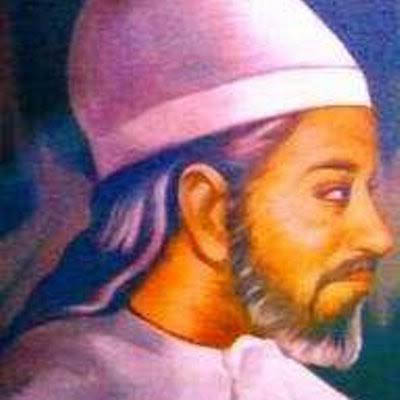
Wali Deccani
The founder of the Urdu ghazal — the Deccan poet whose diwan taught Delhi the music of Rekhta.
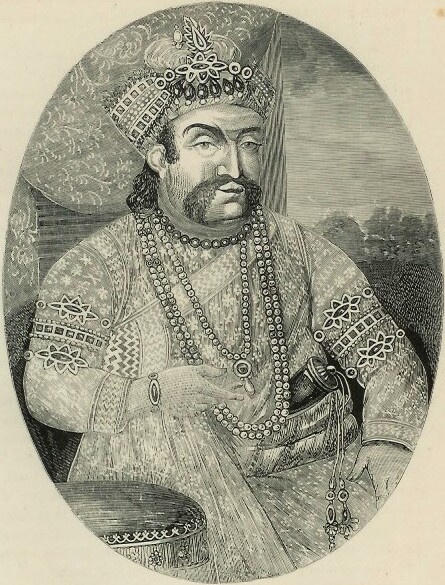
Wajid Ali Shah Akhtar
Wajid Ali Shah 'Akhtar' (1822–1887) was the last Nawab of Awadh. He ascended the throne of Lucknow in 1847 and ruled for nine years, until the British East India Company annexed his kingdom in February 1856 and removed him. He spent the rest of his life — over three decades — in exile at Matiya Burj (Metiabruz) near Calcutta, where he died in 1887. A poet, playwright, dancer and composer, he was one of the great patrons of the arts: he nurtured the Lucknow gharana of Kathak, staged magnificent rahas, and wrote over forty works in Urdu and Persian — poems, prose and thumris. His most famous couplet — "dar-o-diwar pe hasrat se nazar karte hain / KHush raho ahl-e-watan hum to safar karte hain" — was his farewell to Lucknow, and it lives on in every Urdu speaker's heart.