
Poets Directory (شعرائے کرام)
Explore profiles, portraits, life biographies, and complete poetry of classical and modern Urdu luminaries.
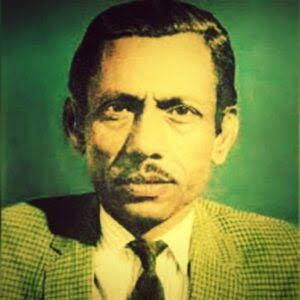
Nasir Kazmi
Nasir Kazmi was the quintessential poet of dusk, moonlight, sorrow, and longing. His simple yet intensely musical ghazals captured the nostalgia and displacement of the post-partition subcontinent.
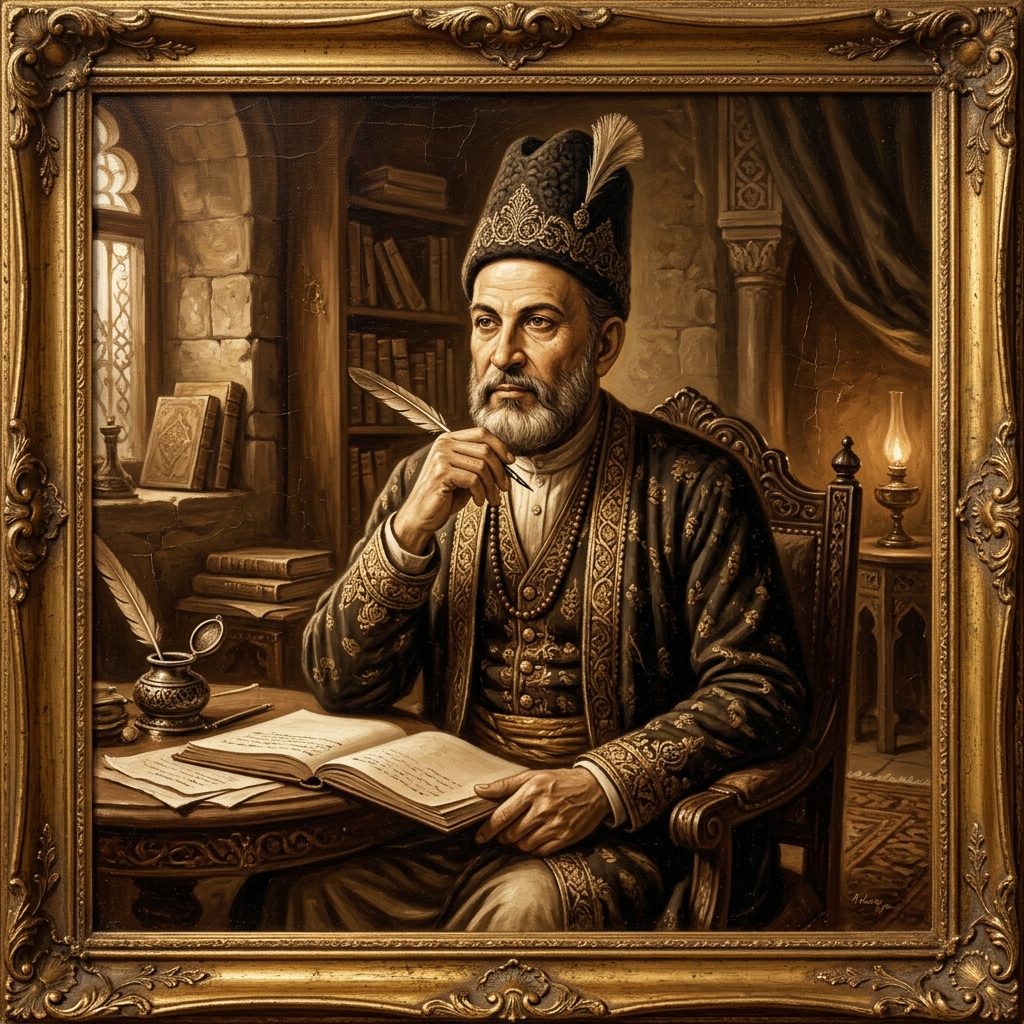
Nasreen Anjum Bhatti
Nasreen Anjum Bhatti (birth year unknown–2016) was a Pakistani poet, painter, broadcaster and rights activist, born in Quetta and raised in Jacobabad, Sindh. She took her M.A. in Urdu from Oriental College, Lahore, in 1970 and joined Radio Pakistan in 1971, where she served as producer, broadcaster and deputy controller, later becoming resident director of the Shakir Ali Museum in Lahore. Writing in both Punjabi and Urdu, she was a feminist voice of resistance — against General Zia's martial law and against patriarchy. Her first Punjabi collection, *Neel Karaiyan Neelkan* (1979), contains the long poem "Bhutto di Vaar" on Zulfikar Ali Bhutto's hanging; *Athay Pehr Tarah* (2009) followed, with the Urdu collections *Bin Bass* and *Tera Lehja Badalne Tak*. She received the Tamgha-i-Imtiaz in 2011 and died of cancer in Karachi in January 2016.
Nawab Mustafa Khan Shefta
Nawab Mustafa Khan Shefta (1809–1869), born in Delhi into a prominent Bangash Pathan landowning family — Nawab of Jahangirabad, holder of the Palwal and Jehangirabad jagirs — was a poet, critic and patron at the heart of Delhi's literary circle, alongside Ghalib, Zauq and Momin. He wrote Urdu verse as "Shefta" and Persian verse as "Hasrati," consulting Ghalib in Persian and Momin in Urdu, and his Delhi house was famous for its weekly mushairas, where he encouraged younger poets — it was Shefta who introduced Altaf Hussain Hali to Ghalib. His tazkira Gulshan-e-Bekhar (compiled 1834), cataloguing 671 poets, remains a trusted source for the literary history of the age. The 1857 uprising broke his world: suspected for his ties to Bahadur Shah Zafar and his rebel kinsmen, he was sentenced to seven years' imprisonment, his estates seized — half restored on appeal — and much of his poetry was lost in the sack of Delhi. His son later bought the very prison and built the family home, Mustafa Castle, over it, keeping the prison room. After the Hajj he turned increasingly to religious practice. He died at his house in Kucha Chelaan, Delhi, in 1869, and lies in the Bangash family graveyard at Hazrat Nizamuddin, near Ghalib.
Nazar Muhammad Rashid, known as Noon Meem Rashid (1 August 1910 – 9 October 1975), was the pioneer of free verse in Urdu and, with Miraji, is regarded as a father of modern Urdu poetry; Faiz Ahmed Faiz called him *Malik-ush-Shoara*, King of Poets. Son of Raja Fazal Ilahi Chishti, a District Inspector of Schools and lover of Ghalib, he took an MA in Economics from Government College Lahore. His first poem, *Jurrat-e-Parwaz*, appeared in 1932, and his first free-verse book, *Mavra* (1940/41), broke Urdu poetry open. He served as a captain in the Royal Indian Army in the Second World War, then worked for All India Radio and Radio Pakistan, Voice of America, and the United Nations in New York, Jakarta, Karachi and Tehran. His collections include *Mavra*, *Iran Mein Ajnabi* (1955), *La-Insan* (1969) and the posthumous *Gumaan Ka Mumkin* (1977). His style is intellectual, philosophical and cosmic — poetry of thought and of the "new man" (*Adam-e-Nau*), breaking religious, geographical and linguistic boundaries; deliberately difficult — a poet of qualities, not of the people.
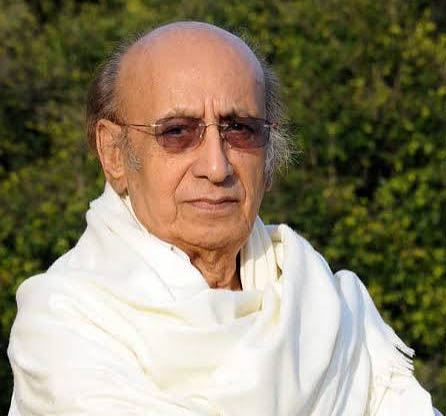
Nida Fazli
Nida Fazli was a Sahitya Akademi Award winning poet and lyricist who bridged Urdu and Hindi with deep humanist sensitivity, Doha compositions, and colloquial everyday philosophy.
Nazir Akbarabadi
The poet of the people — father of the Urdu nazm, who sang of bread, festivals, and the common man.