
Poets Directory (شعرائے کرام)
Explore profiles, portraits, life biographies, and complete poetry of classical and modern Urdu luminaries.
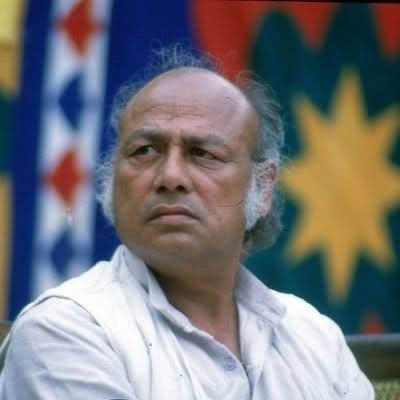
Habib Jalib
Habib Jalib was known as the "Shair-e-Awam" (The People's Poet). A fearless dissident who spent years in prison defying military dictatorships, his poem "Dastoor" is an eternal anthem of defiance.
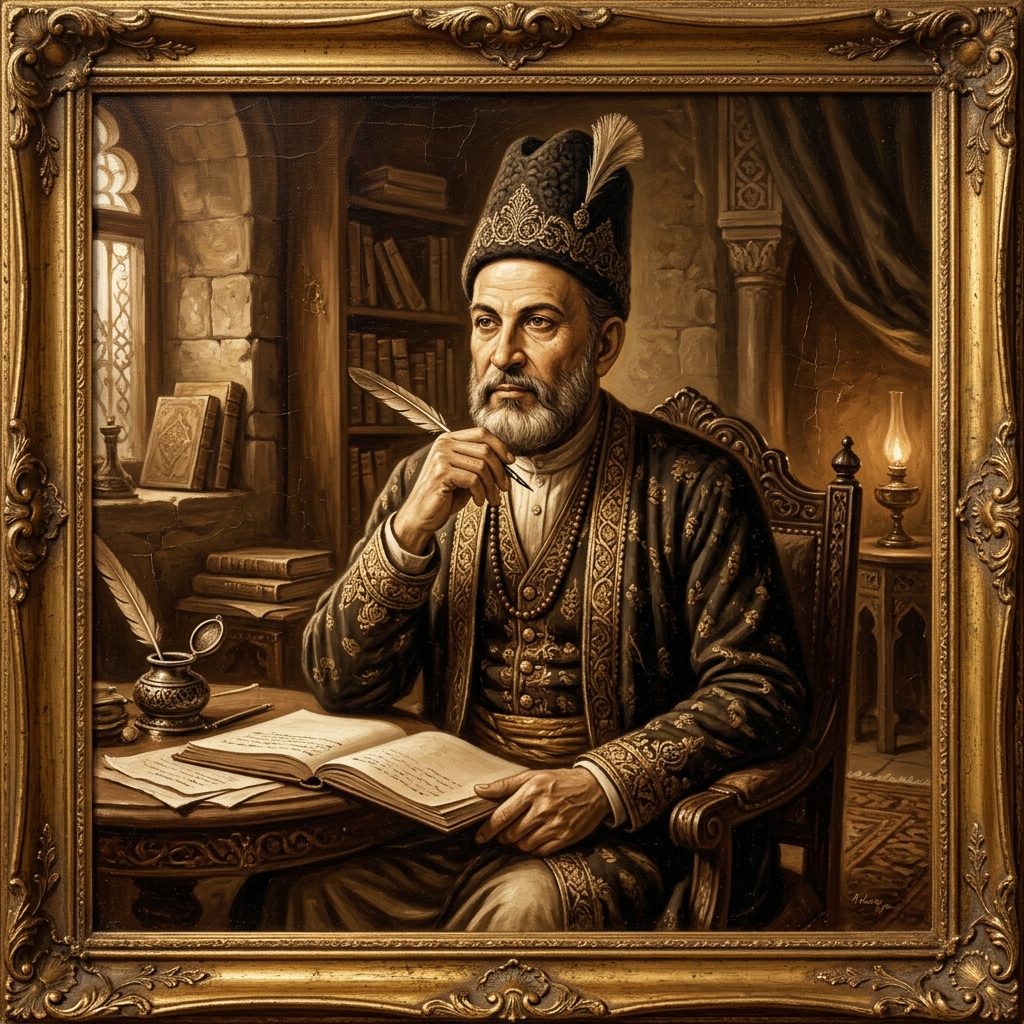
Hafeez Jalandhari
Abu al-Asar Hafeez Jalandhari (Muhammad Abdul Hafeez, 14 January 1900 – 21 December 1982) was the poet whose words became Pakistan's national anthem. Born in Jalandhar, Punjab, to Shams-ud-Din, a Hafiz-e-Quran, his formal schooling ended at the seventh grade — he disliked mathematics and loved only Urdu — yet he educated himself through voracious reading and became a disciple of the Persian poet Maulana Ghulam Qadir Bilgrami. From 1922 to 1929 he edited monthly magazines including Naunehal, Hazar Dastaan, Tehzeeb-e-Niswan and Makhzin, and he threw himself into the Pakistan Movement, using his writing to inspire its cause. After independence in 1947 he migrated to Lahore; in early 1948 he joined the forces for the freedom of Kashmir and was wounded. Out of 723 poets who competed to write Pakistan's national anthem, his lyrics were selected, set to music by Ahmed Ghulam Ali Chagla. His four-volume Shahnama-e-Islam retells the glorious history of Islam in verse, in the manner of Firdowsi's Shahnameh. His poem "Abhi To Main Jawan Hoon", sung by Malika Pukhraj, became a household song. The Government of Pakistan honoured him with the Pride of Performance (1958) and the Hilal-e-Imtiaz. He died in Lahore on 21 December 1982 and lies buried near the Minar-e-Pakistan.
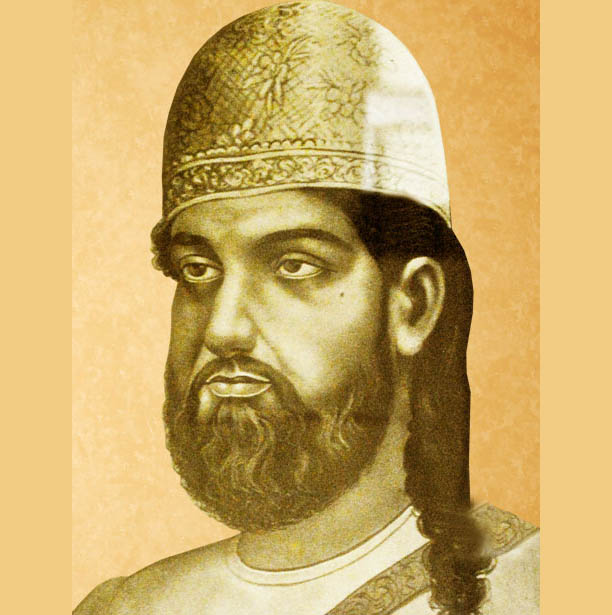
Haidar Ali Aatish
Lucknow's "fire" of the ghazal — idiom-rich verse, Nasikh's great rival.
Hashmi Bijapuri
Hashmi Bijapuri was a seventeenth-century Deccani poet of the Adil Shahi court at Bijapur, remembered as the first Rekhti poet and as the author of the masnavi *Yusuf Zelkha*. Writing in Dakhni Urdu before Rekhti had a name, he gave his ghazals a woman's voice and a woman's vocabulary, drawing his imagery from the domestic world of elite households rather than only from the conventional garden of the classical ghazal. His surviving Diwan, published in modern times as *Deewan-e-Hashmi*, therefore reads as a bridge: it keeps the ghazal's form while opening it to everyday speech, household detail, and a frankly female point of view. Later Lucknow poets made Rekhti famous, but Hashmi's Bijapur ghazals are its earliest full flowering, and they remain the key evidence for how Urdu poetry first learned to speak in a woman's idiom.
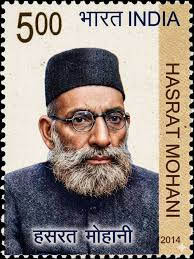
Hasrat Mohani
The poet whose pen carried love — and whose slogan, "Inquilab Zindabad", carried a revolution. Syed Fazlul Hasan "Hasrat" Mohani (1875–1951) — the "Mohani" marking his birthplace, Mohan in the Unnao district of Uttar Pradesh — was an Urdu poet of the ghazal and one of the Indian freedom movement's most fearless voices. A graduate of MAO College, Aligarh (1903), he founded the influential journal Urdu-i-Mualla, endured several British prison terms, coined the immortal slogan "Inquilab Zindabad" (Long Live the Revolution), and in 1921 became the first to demand complete independence (Purna Swaraj) at the Ahmedabad Congress session. A founder of the Communist Party of India and a member of the Constituent Assembly, he was equally a poet: essentially a ghazal poet who blended classical and modern styles and kept the ghazal alive when it was being marginalised. His ghazal "Chupke Chupke Raat Din Aansu Bahana Yaad Hai" — immortalised by Ghulam Ali and the film Nikaah — remains among the most sung verses in Urdu. He died in Lucknow on 13 May 1951.
Hatim Ali Mehr
Mirza Hatim Ali Beg — known by his pen name Mehr — was a classical Urdu poet of the nineteenth century and a contemporary and friend of Mirza Ghalib. He began writing poetry at about fourteen and soon won notice for his fluency, his smooth diction, and his command of language; he was also skilled in composing chronograms. By profession he was a High Court lawyer, and after the upheaval of 1857 he was rewarded for his loyalty to the government with robes of honour and the grant of two villages, whose income let him live the rest of his life in comfort. He also served as an honorary magistrate in Agra. His works include Diwan-e-Mehr, Para-e-Arooz, Ayagh-e-Farangistan, Almas-e-Darakhshan, and several masnavis, among them Masnavi Shua-e-Mehr and Masnavi Dagh-e-Figar. Ghalib admired his Shuaa-e-Mehr and corresponded with him. Mehr died in 1879. His ghazals survive as a fluent, witty voice from the last generation of the Delhi tradition before the old order passed.