
Poets Directory (شعرائے کرام)
Explore profiles, portraits, life biographies, and complete poetry of classical and modern Urdu luminaries.
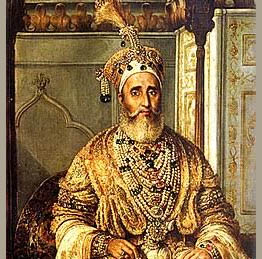
Bahadur Shah Zafar
The last Mughal Emperor of India and a poignant master of Urdu ghazals. Exiled to Rangoon after the 1857 war of independence, his elegies mourn the tragic loss of home, empire, and liberty.
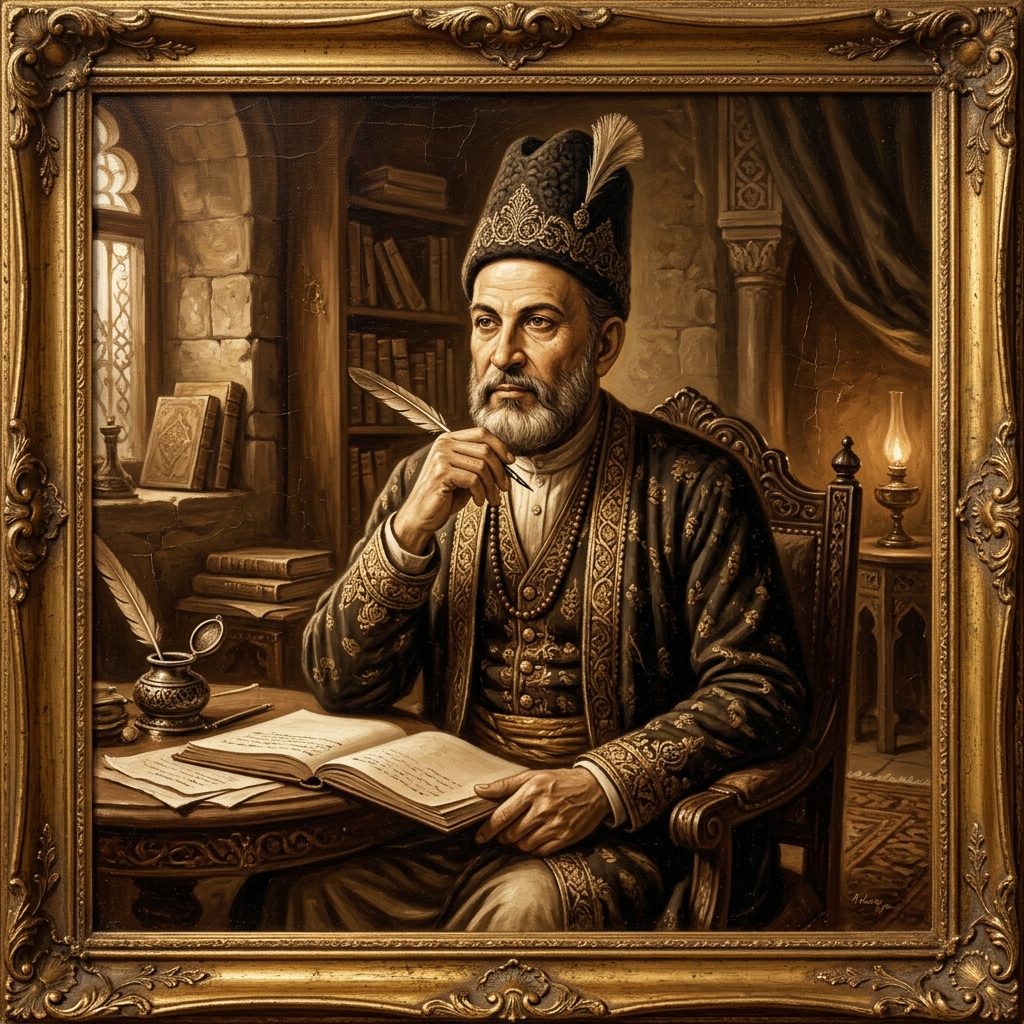
Bulleh Shah
Bulleh Shah (c. 1680–1757), born Sayyid Abdullah Shah Qadri, was a Punjabi Sufi poet of Kasur, and one of the greatest voices Punjab has ever produced. He was born around 1680 — Uch is the place most often named, though some accounts give Pandoke, near Kasur, where his family settled when he was six. His father, Shah Muhammad Darwaish, was a village mosque preacher who taught him his first lessons while the boy worked as a herder; his higher learning came at Kasur, under Hafiz Ghulam Murtaza, and then at Lahore, where he became the disciple of the Qadiri Sufi Shah Inayat — a gardener of the Arain caste. That choice cost him everything respectable: a Sayyid bowing to a man of low caste shocked his family, and the town's clerics declared him a non-believer. He answered them in the people's own tongue. His kafis — short, song-like poems built on a refrain — ask the simplest and hardest questions: who am I, if I am neither believer nor unbeliever, neither Moses nor Pharaoh? More than 150 kafis and 94 other compositions survive, carried for over a century by singers before they were first printed. When he died at Kasur in 1757, the clerics who had condemned him refused to lead his funeral prayer; it was led instead by Syed Zahid Hamdani, and a shrine grew over his grave. Three centuries on, his verses are still sung — by qawwals, by rock bands, in village gatherings and concert halls — wherever Punjabis gather. He is remembered as the Poet of the People.