Poets Directory (شعرائے کرام)
Explore profiles, portraits, life biographies, and complete poetry of classical and modern Urdu luminaries.
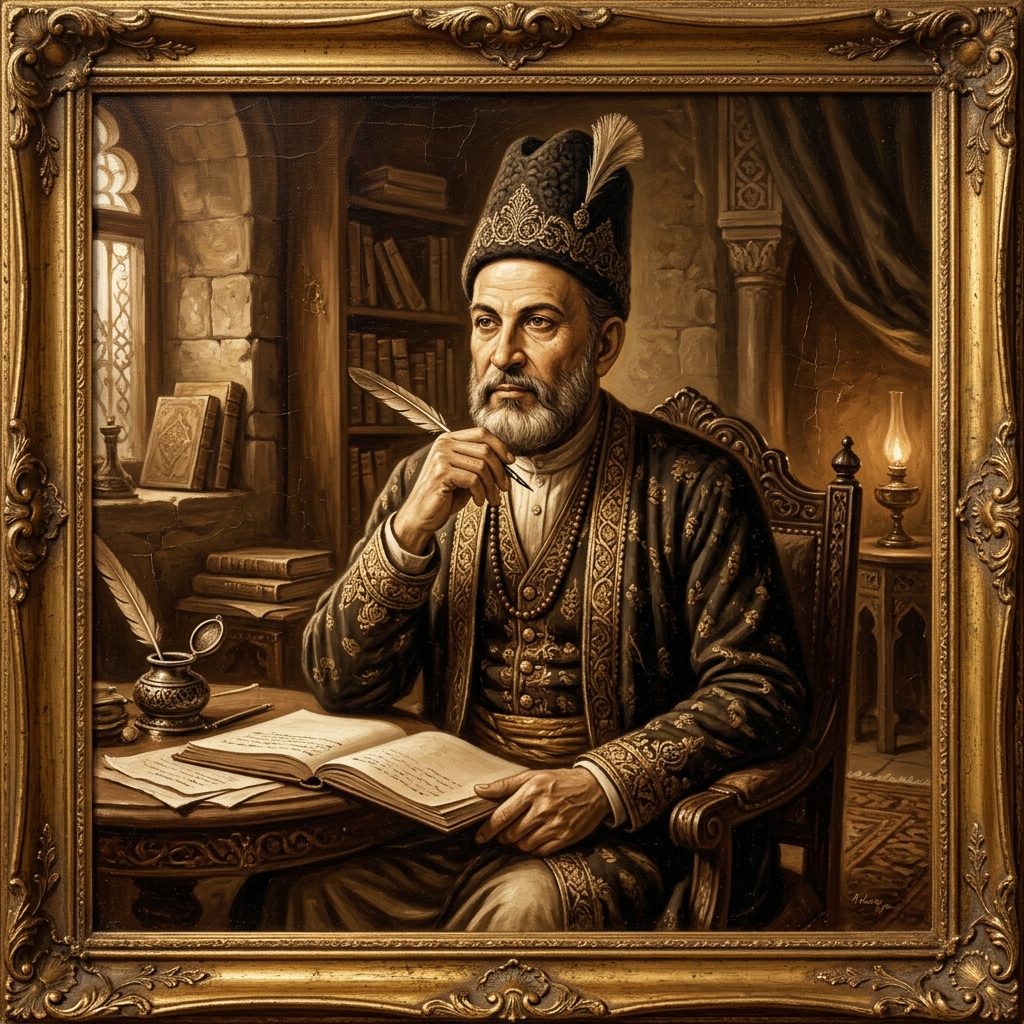
Zia Fatehabadi
Zia Fatehabadi (1913–1986) — born Mehr Lal Soni on 9 February 1913 at Kapurthala, Punjab — was a modern Urdu poet of the ghazal and the nazm, and a disciple of Seemab Akbarabadi in the line of Dagh. His family came from Fatehabad, near Tarn Taran, the town whose name he carried; "Zia", meaning Light, was the pen name his teacher chose for him. He wrote his first ghazal in 1925, still a schoolboy in Jaipur, and became Seemab's disciple in 1930, remaining true to his ustad all his life and working to keep his legacy alive. His first collection, Tullu (Dawn), appeared in 1933 while he was still at college, followed by Noor-e-Mashriq (The Light of the East) in 1937. He took a B.A. with honours in Persian in 1933 and an M.A. in English in 1935, then joined the Reserve Bank of India in 1936, serving for thirty-five years and retiring as Deputy Chief Officer in 1971. He married Raj Kumari in 1942 and made Delhi his home after retirement. Across six decades he produced nineteen works — eleven collections of poetry, among them Nai Subah (1952), Gard-e-Raah (1963), Husn-e-Ghazal (1964), Dhoop aur Chandni (1977), Rang-o-Noor (1981) and Soch ka Safar (1982) — alongside qataat, rubaiyat, geets, sonnets, essays and letters. He never sought public recognition or state awards, and kept a low profile all his life; his verse is plain, musical and hopeful, written in the common man's language, with light and dawn as its abiding images. He died in Delhi on 19 August 1986, after a long illness.
Zia Jalandhari
Zia Jalandhari (1923–2012) was a Pakistani Urdu poet, broadcaster and television chief, and a pioneering member of the Halqa-e-Arbab-e-Zauq, the Circle of Connoisseurs. Born Syed Zia Nisar Ahmad on 2 February 1923 in Jalandhar, his family moved to Lahore, where he took an MA in English Literature from Government College and lectured in English at Islamia College. He began his broadcasting career at All India Radio and joined Radio Pakistan in 1948, later serving as Managing Director of Pakistan Television. His poetry — in collections such as Narsa (1966), Sar-e-Sham (1968), Dam-e-Subh (2003) and the Kulliyat-e-Ziya (2007) — carries the Halqa's modernist inwardness: plain speech, moral clarity and the world seen through the beloved's eyes. He received the Pride of Performance in 2006 and a National Literary Award for Dam-e-Subh, and died in Islamabad on 13 March 2012.
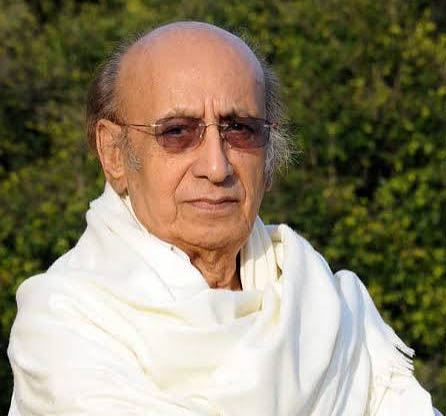
Nida Fazli
Nida Fazli was a Sahitya Akademi Award winning poet and lyricist who bridged Urdu and Hindi with deep humanist sensitivity, Doha compositions, and colloquial everyday philosophy.
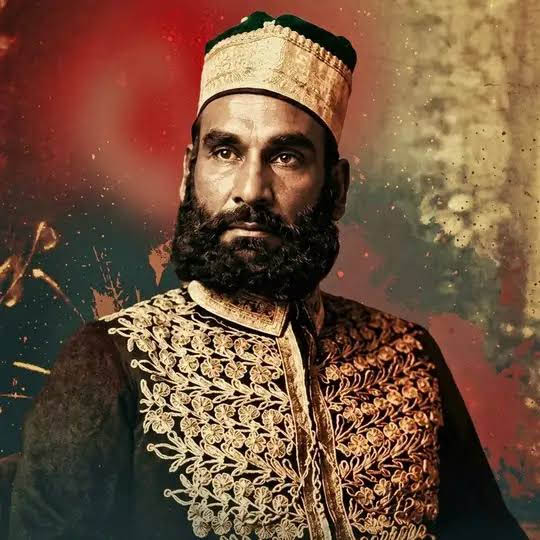
Daagh Dehlvi
The last voice of Mughal Delhi — ghazals of effortless simplicity that charmed commoner and court alike.
Altaf Hussain Hali
The poet who turned Urdu poetry toward reform — Musaddas-e-Hali, Urdu's first critic, and Ghalib's first biographer.
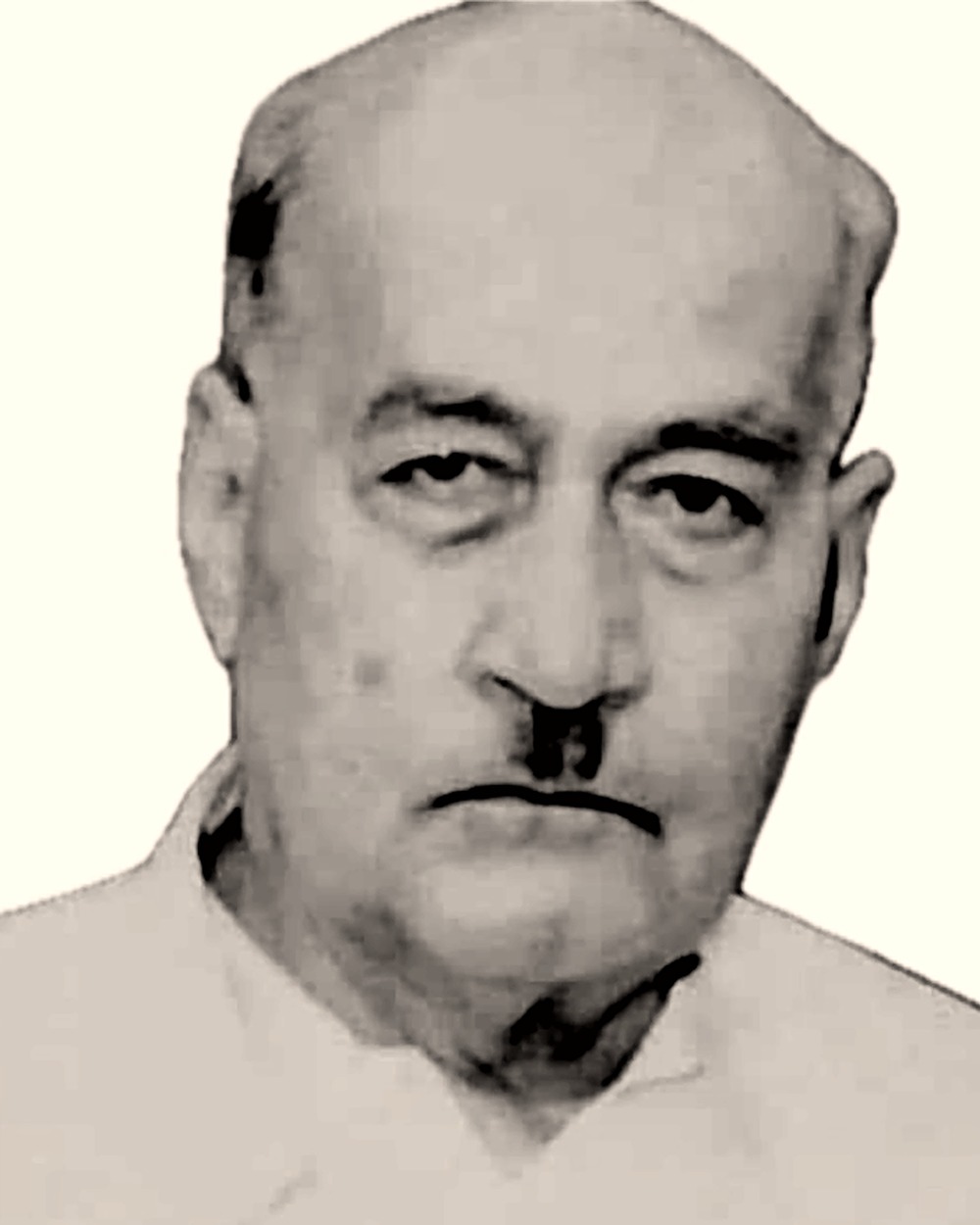
Josh Malihabadi
Shaair-e-Inqilab — the poet whose slogan was "revolution, revolution, and revolution."
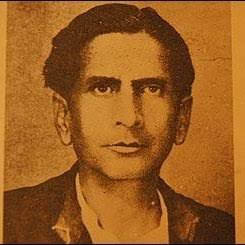
Majaz Lucknawi
The "Keats of Urdu poetry" — who made revolution sing, and gave the lonely city its anthem.
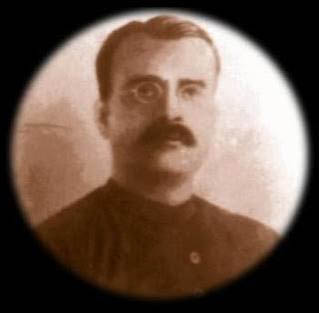
Brij Narayan Chakbast
Brij Narayan Chakbast (1882–1926), who wrote under the pen name Chakbast, was an Urdu poet of Lucknow and one of the founders of patriotic Urdu poetry in the modern age. Born into a Kashmiri Brahmin (Pandit) family at Faizabad on 19 January 1882 — the son of the poet Pandit Udit Narayan Chakbast — he moved to Lucknow as a boy after his father's death and made it his home for life. He earned his B.A. (1905) and LL.B. (1907) from Canning College, Lucknow, and rose to distinction at the Lucknow Bar. A lawyer by profession, he poured his public spirit into verse: he was a strong proponent of the Home Rule movement, helped found the Kashmiri Young Men's Association and the Bahadur Library, and chose the nazm as his chief form — *Subh-e-Watan* (Dawn of the Nation, 1926) made qaumiyat, love of nation, the subject of Urdu poetry without ever letting it collapse into mere propaganda. Secular to the bone, he wrote with equal reverence on Ram, Krishna, and Gokhale. He died suddenly on 12 February 1926 at Rae Bareli railway station, aged only 44, after a paralytic stroke. His philosophical sher *"Zindagi kya hai anasir mein zuhur-e-tartib / Maut kya hai inhin ajza ka pareshan hona"* — heard by millions at the opening of the film *Masaan* (2015) — returned him to public memory nearly a century later.
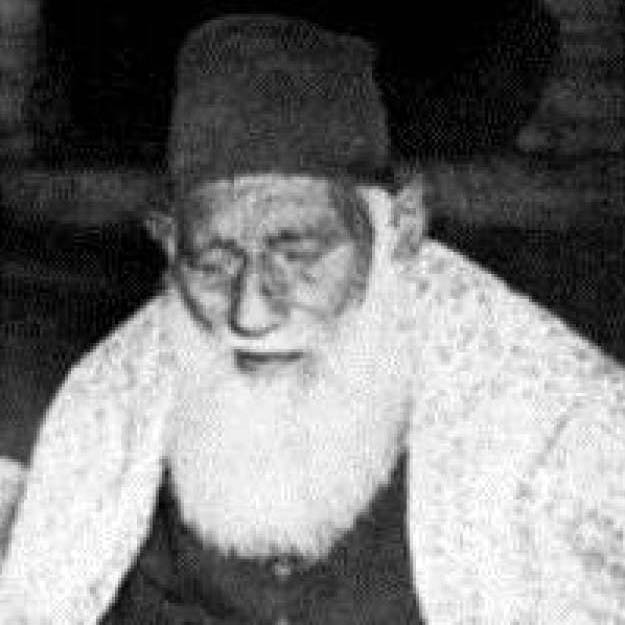
Bekhud Dehlvi
Syed Wahid-ud-din Ahmed (1863–1955), known to Urdu letters as Bekhud Dehlvi, was a classical ghazal poet of Delhi and among the finest disciples of Dagh Dehlvi. Born at Bharatpur (Rajasthan) on 21 March 1863 to the poet Syed Shams-ud-din 'Salim', he was brought to Delhi as a boy, where Altaf Hussain Hali schooled him in Arabic, Persian, and the craft of verse. In 1891 Hali made him Dagh's disciple, and he soon rose among the best of that illustrious circle — a lineage that also counted Iqbal's teacher among its masters. His ghazals — collected in Guftar-e-Bekhud and Shahsavar-e-Bekhud — are prized for linguistic dexterity and colloquial grace, carrying Dagh's living idiom into the twentieth century with a distinction all his own. His corpus also includes devotional verse, including a naat. He lived to ninety-two, dying in Delhi on 2 October 1955 — a living bridge from the Mughal twilight to independent India.
Fani Badayuni
Shaukat Ali Khan (1879–1941), known to Urdu as Fani Badayuni — "Fani" meaning the mortal, the perishable — is the twentieth century's most uncompromising poet of despair. Born on 13 September 1879 at Islamnagar in the Badaun district of UP, he took his BA (1901) at Bareilly College and a law degree at Aligarh, but the practice of law never held him; a brief editorship of the magazine Tasneem, years of practice in Bareilly, Lucknow and Agra, and finally a head-teachership in Hyderabad (1932–1939) framed a life of narrowing fortunes. The deaths of his wife and his young daughter in the early 1930s sealed his inward turn — he wrote of himself as "a disgrace to my family, a burden on this earth." Called "Mayusi ka shayar" (the poet of despair) and "Sahib-e-gham," Fani took Mir's pathos and Ghalib's intellectual daring and distilled them into an unrelieved existential pessimism: life as a riddle neither to be solved nor explained. His collections Diwan-e Fani, Baqiyat-e Fani and Irfaniyat-e Fani preserve his later work; the early diwans were lost. He died in Hyderabad on 27 August 1941 and is buried there.