Poets Directory (شعرائے کرام)
Explore profiles, portraits, life biographies, and complete poetry of classical and modern Urdu luminaries.
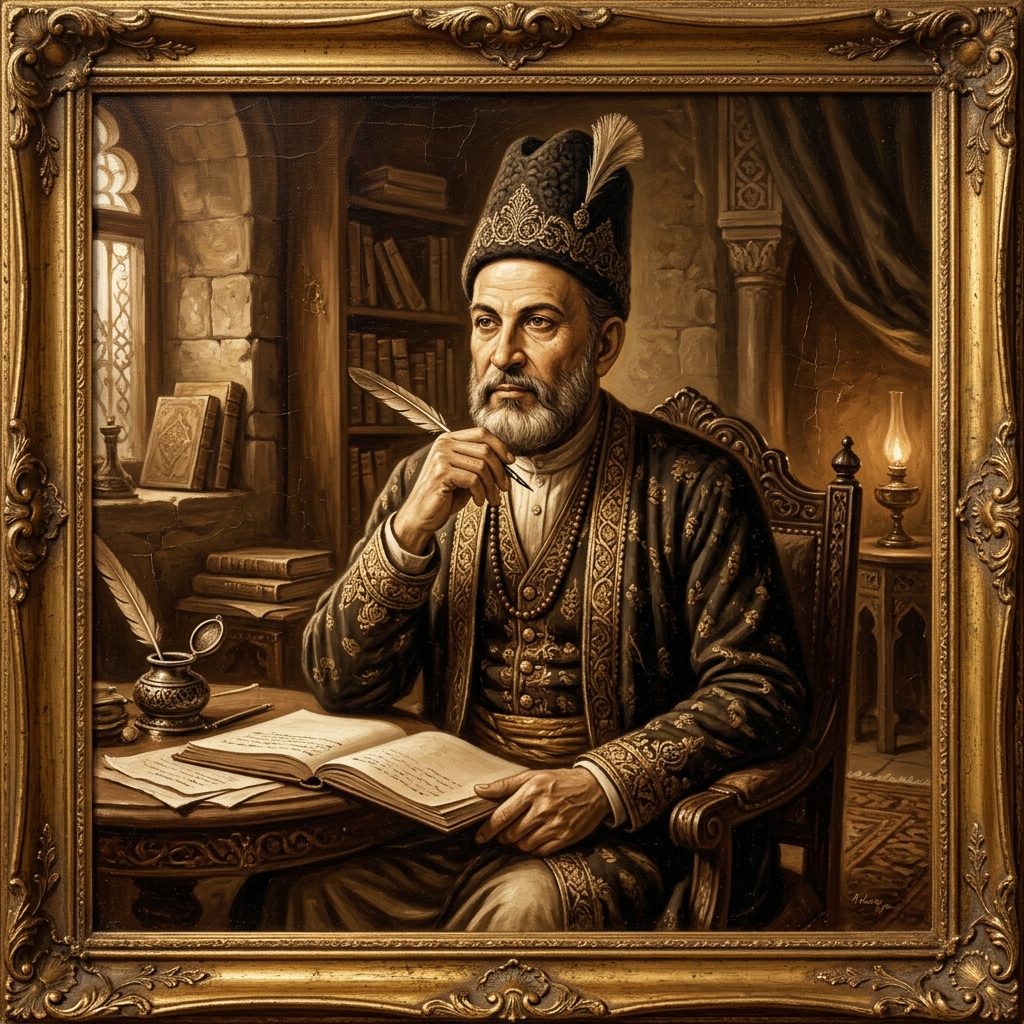
Balraj Komal
Balraj Komal (1928–2013) was one of the leading modern poets of the Urdu nazm in India. Born on 25 September 1928 at Sialkot, he fled to Delhi in the Partition of 1947, carrying the displacement into a lifetime of poetry. After retiring as an Education Officer with the Delhi Administration, he wrote full-time — poems, short stories and criticism — and served on the Delhi Urdu Akademi and the Sahitya Akademi's advisory board. His collection Parindon Bhara Aasman (Sky Full of Birds) won the Sahitya Akademi Award in 1985; he also won the Uttar Pradesh Urdu Academy Award twice (1971, 1982) and received the Padma Shri in 2011. His nazms — above all 'A Girl Alone' (1948), a Partition-orphaned girl begging a stranger to become her family — made him a poet of displacement, tenderness and quiet revolt. He died in Delhi in 2013, aged 85.
Bismil Azimabadi
Bismil Azimabadi (1901–1978) was an Indian freedom-fighter poet from Patna, born Syed Shah Mohammad Hasan into a zamindar family of Azimabad. He took "Bismil" — the wounded one — as his pen name and became a disciple of Shad Azimabadi, frequenting the Qutub-khana Anjuman Taraqqi Urdu Library in Patna. He took part in the independence movement and is reported to have recited his poem "Sarfaroshi" at the Calcutta Congress session of 1920. Most of his poetry was lost; what survived was compiled after his death as *Hikayat-e-Hasti* (1980), and he left a short memoir, *Yaraan-i-Maikadah* (1976). He died in Patna on 20 June 1978. The Bihar Urdu Academy's Bismil Azimabadi Award keeps his name alive.
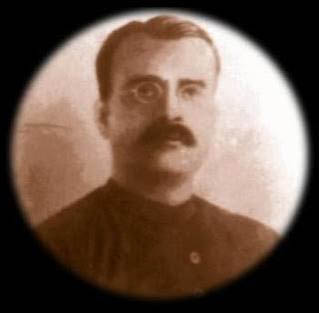
Brij Narayan Chakbast
Brij Narayan Chakbast (1882–1926), who wrote under the pen name Chakbast, was an Urdu poet of Lucknow and one of the founders of patriotic Urdu poetry in the modern age. Born into a Kashmiri Brahmin (Pandit) family at Faizabad on 19 January 1882 — the son of the poet Pandit Udit Narayan Chakbast — he moved to Lucknow as a boy after his father's death and made it his home for life. He earned his B.A. (1905) and LL.B. (1907) from Canning College, Lucknow, and rose to distinction at the Lucknow Bar. A lawyer by profession, he poured his public spirit into verse: he was a strong proponent of the Home Rule movement, helped found the Kashmiri Young Men's Association and the Bahadur Library, and chose the nazm as his chief form — *Subh-e-Watan* (Dawn of the Nation, 1926) made qaumiyat, love of nation, the subject of Urdu poetry without ever letting it collapse into mere propaganda. Secular to the bone, he wrote with equal reverence on Ram, Krishna, and Gokhale. He died suddenly on 12 February 1926 at Rae Bareli railway station, aged only 44, after a paralytic stroke. His philosophical sher *"Zindagi kya hai anasir mein zuhur-e-tartib / Maut kya hai inhin ajza ka pareshan hona"* — heard by millions at the opening of the film *Masaan* (2015) — returned him to public memory nearly a century later.
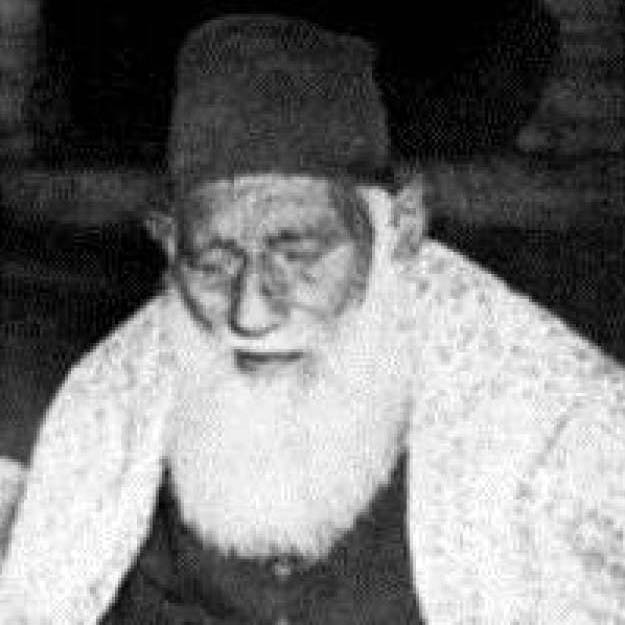
Bekhud Dehlvi
Syed Wahid-ud-din Ahmed (1863–1955), known to Urdu letters as Bekhud Dehlvi, was a classical ghazal poet of Delhi and among the finest disciples of Dagh Dehlvi. Born at Bharatpur (Rajasthan) on 21 March 1863 to the poet Syed Shams-ud-din 'Salim', he was brought to Delhi as a boy, where Altaf Hussain Hali schooled him in Arabic, Persian, and the craft of verse. In 1891 Hali made him Dagh's disciple, and he soon rose among the best of that illustrious circle — a lineage that also counted Iqbal's teacher among its masters. His ghazals — collected in Guftar-e-Bekhud and Shahsavar-e-Bekhud — are prized for linguistic dexterity and colloquial grace, carrying Dagh's living idiom into the twentieth century with a distinction all his own. His corpus also includes devotional verse, including a naat. He lived to ninety-two, dying in Delhi on 2 October 1955 — a living bridge from the Mughal twilight to independent India.