
Poets Directory (شعرائے کرام)
Explore profiles, portraits, life biographies, and complete poetry of classical and modern Urdu luminaries.
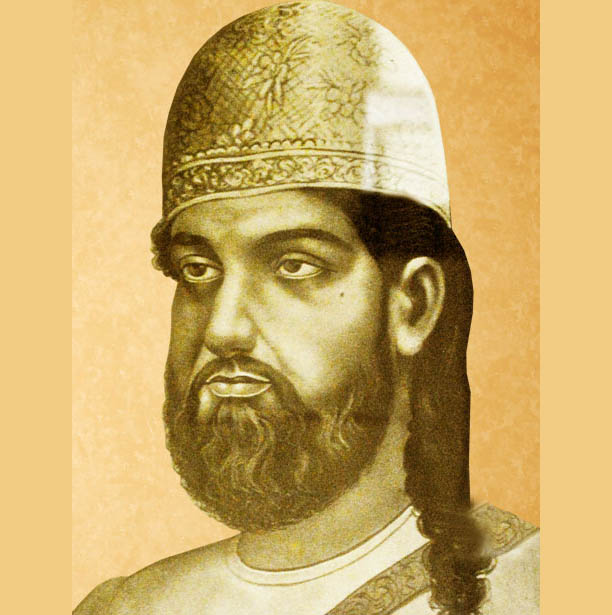
Haidar Ali Aatish
Lucknow's "fire" of the ghazal — idiom-rich verse, Nasikh's great rival.
Hashmi Bijapuri
Hashmi Bijapuri was a seventeenth-century Deccani poet of the Adil Shahi court at Bijapur, remembered as the first Rekhti poet and as the author of the masnavi *Yusuf Zelkha*. Writing in Dakhni Urdu before Rekhti had a name, he gave his ghazals a woman's voice and a woman's vocabulary, drawing his imagery from the domestic world of elite households rather than only from the conventional garden of the classical ghazal. His surviving Diwan, published in modern times as *Deewan-e-Hashmi*, therefore reads as a bridge: it keeps the ghazal's form while opening it to everyday speech, household detail, and a frankly female point of view. Later Lucknow poets made Rekhti famous, but Hashmi's Bijapur ghazals are its earliest full flowering, and they remain the key evidence for how Urdu poetry first learned to speak in a woman's idiom.
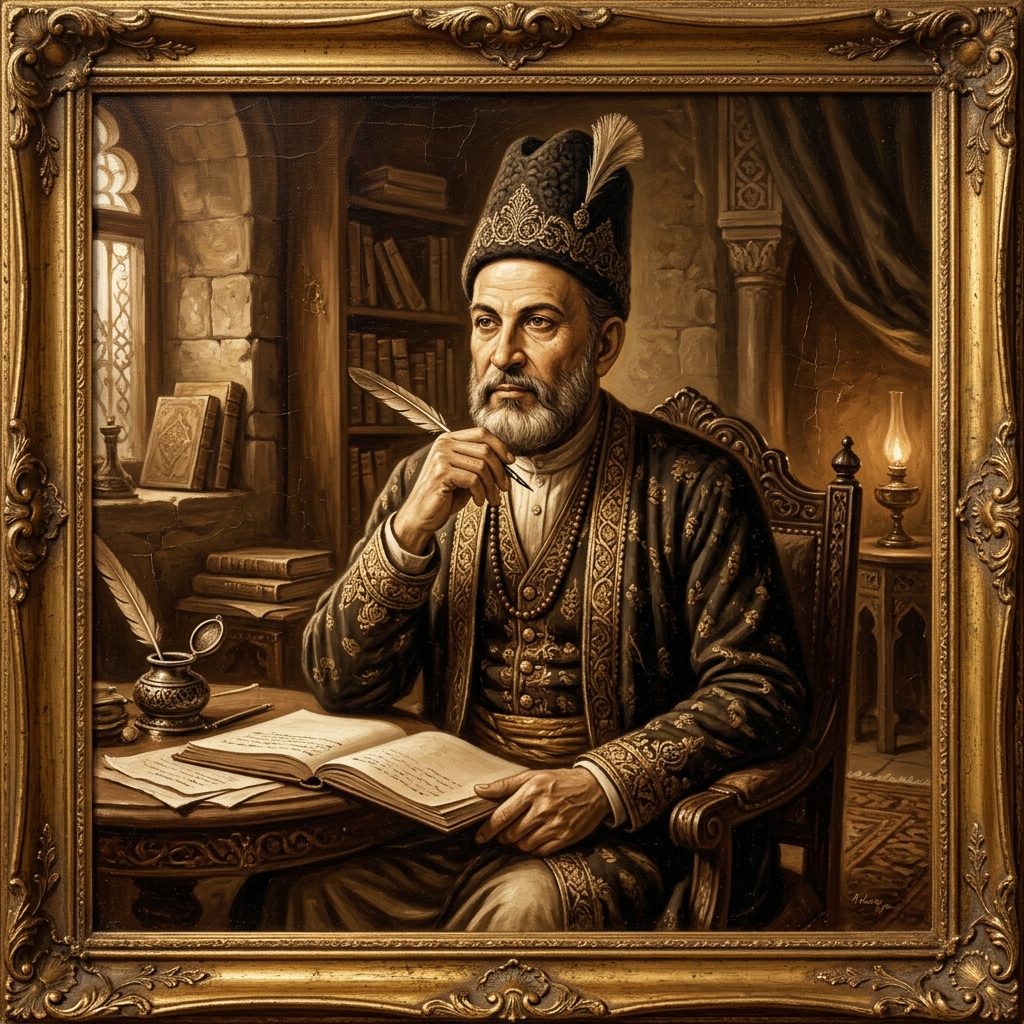
Hatim Ali Mehr
Mirza Hatim Ali Beg — known by his pen name Mehr — was a classical Urdu poet of the nineteenth century and a contemporary and friend of Mirza Ghalib. He began writing poetry at about fourteen and soon won notice for his fluency, his smooth diction, and his command of language; he was also skilled in composing chronograms. By profession he was a High Court lawyer, and after the upheaval of 1857 he was rewarded for his loyalty to the government with robes of honour and the grant of two villages, whose income let him live the rest of his life in comfort. He also served as an honorary magistrate in Agra. His works include Diwan-e-Mehr, Para-e-Arooz, Ayagh-e-Farangistan, Almas-e-Darakhshan, and several masnavis, among them Masnavi Shua-e-Mehr and Masnavi Dagh-e-Figar. Ghalib admired his Shuaa-e-Mehr and corresponded with him. Mehr died in 1879. His ghazals survive as a fluent, witty voice from the last generation of the Delhi tradition before the old order passed.